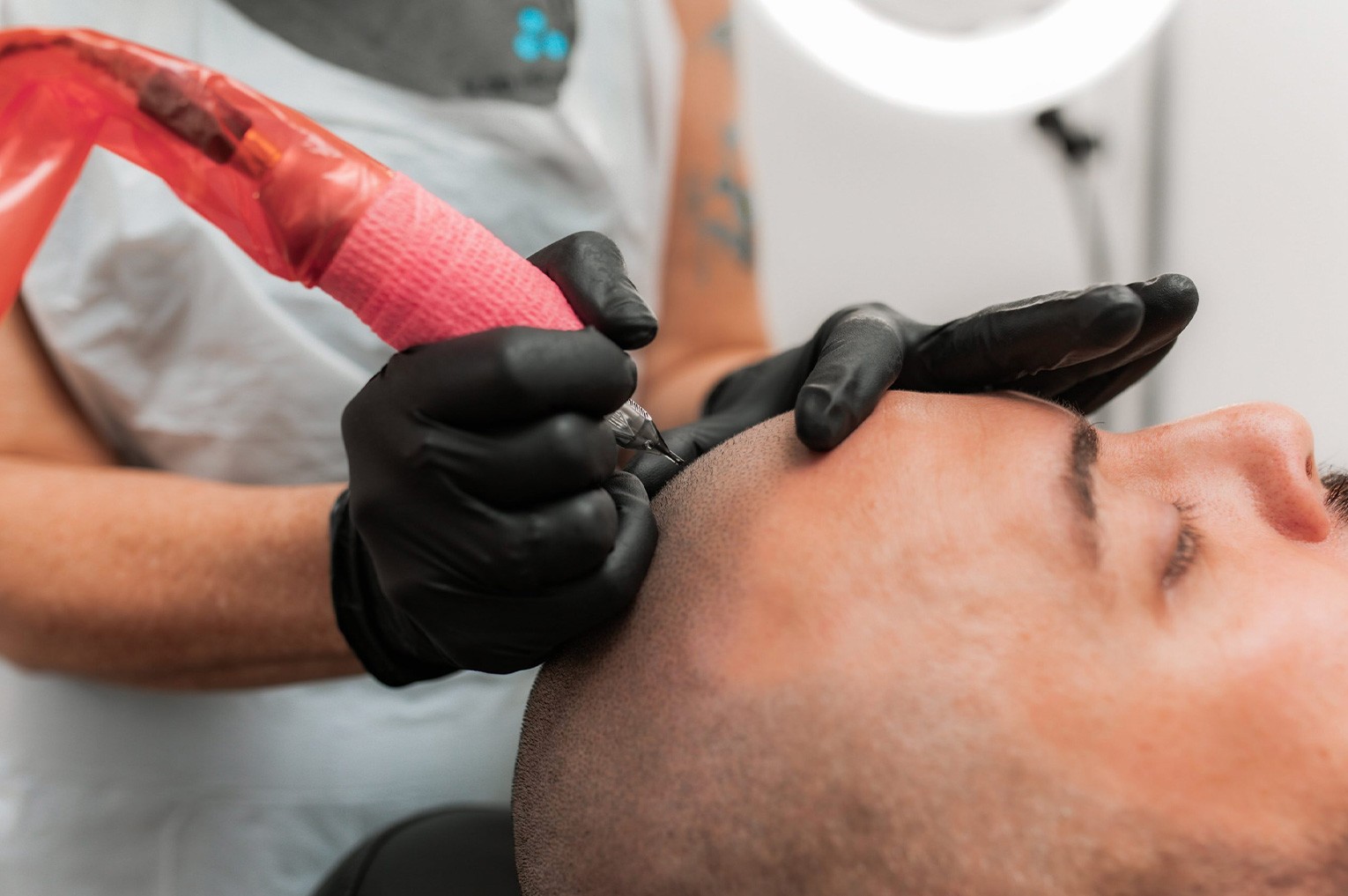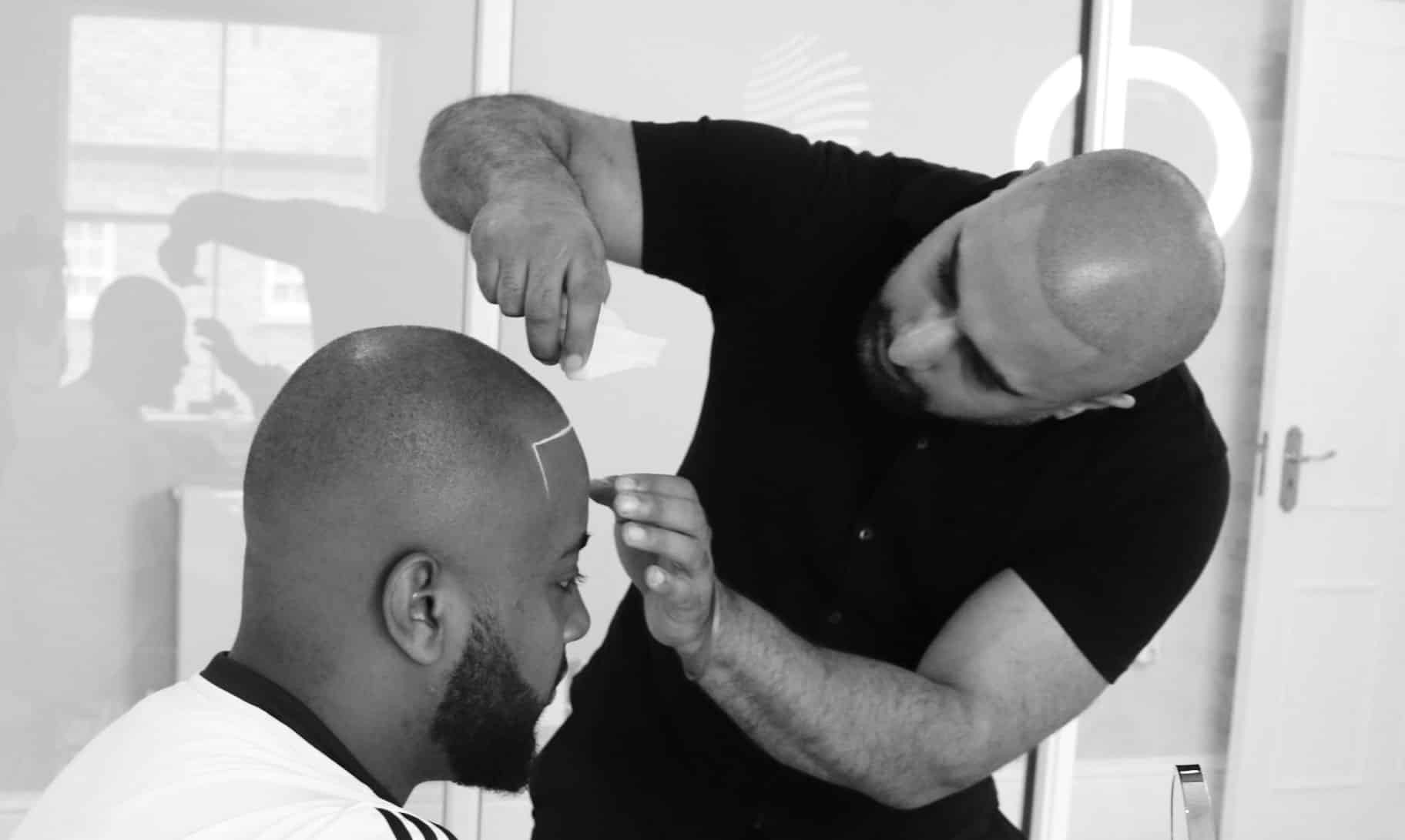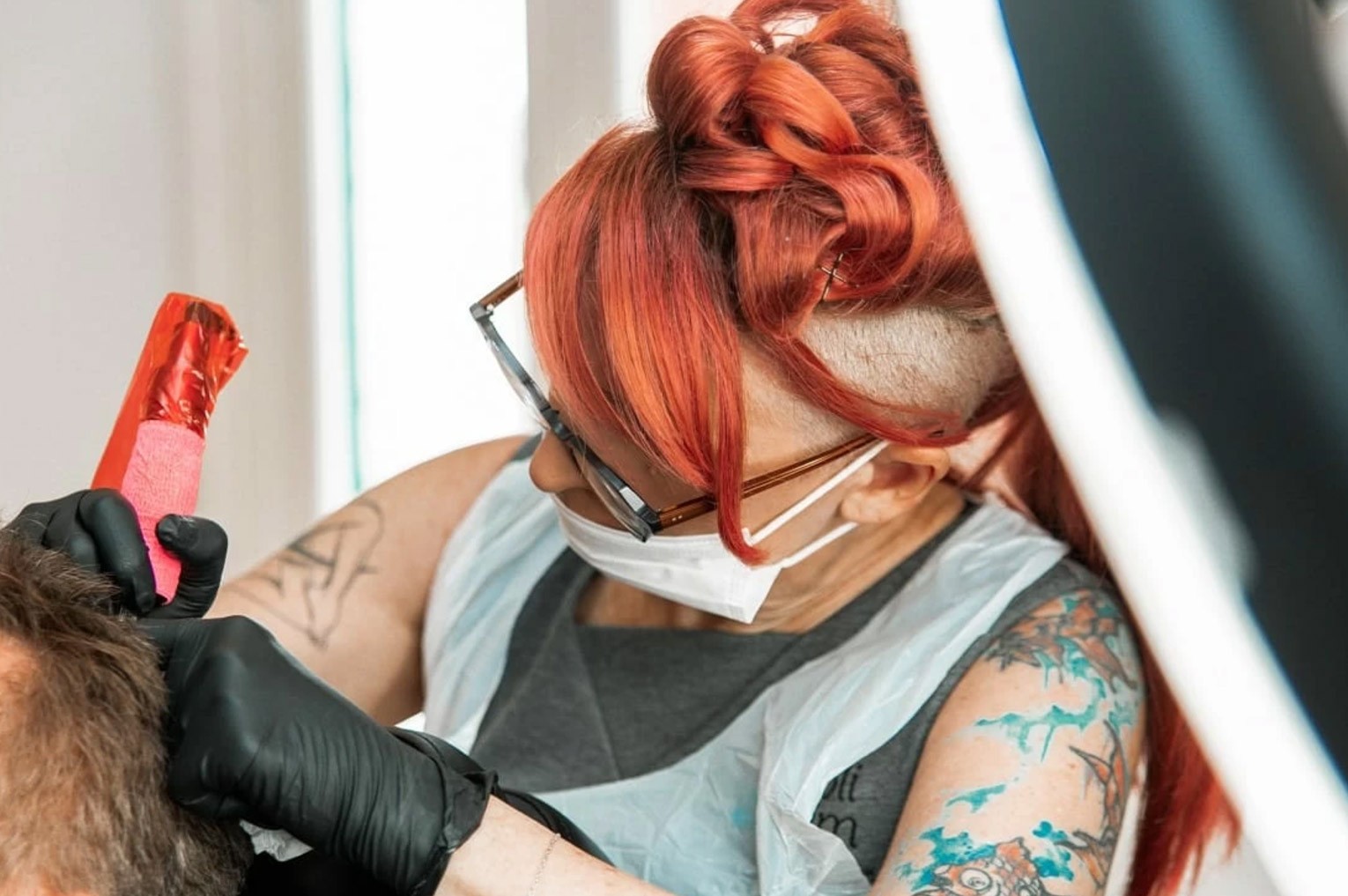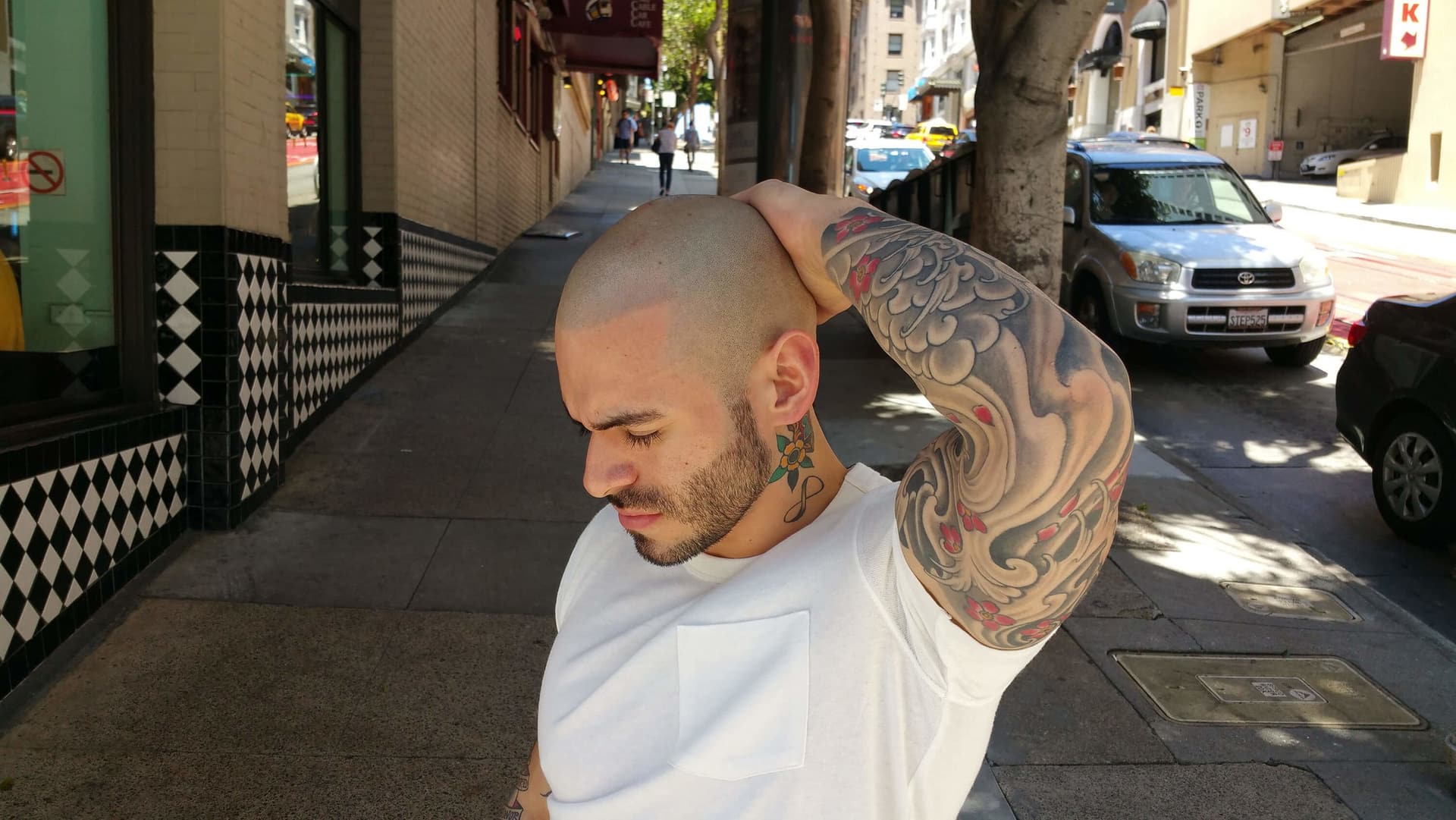
Ask five SMP studios what a full head costs and you can get five numbers thousands of dollars apart. I have spent 17 years in scalp micropigmentation and permanent makeup, and I run Southbank, a marketing agency for SMP and PMU businesses, so I see how these prices get built and how they get advertised. This guide collects the price ranges that clinics and cost guides actually publish, as of 2026, sets each one next to its source and date, and explains what pushes your quote up or down. Prices vary by city, artist and head, so read every figure here as a published range, not a promise.
What SMP costs in the US in 2026: the short version
Cost Insight Hub's guide, updated in May 2026, puts the typical full treatment at $2,000 to $4,500, with most patients paying about $3,000. ThePricer's guide, updated in September 2026, gives $2,000 to $5,000, a common band of $2,500 to $4,000, and a patient-reported average of about $2,919.
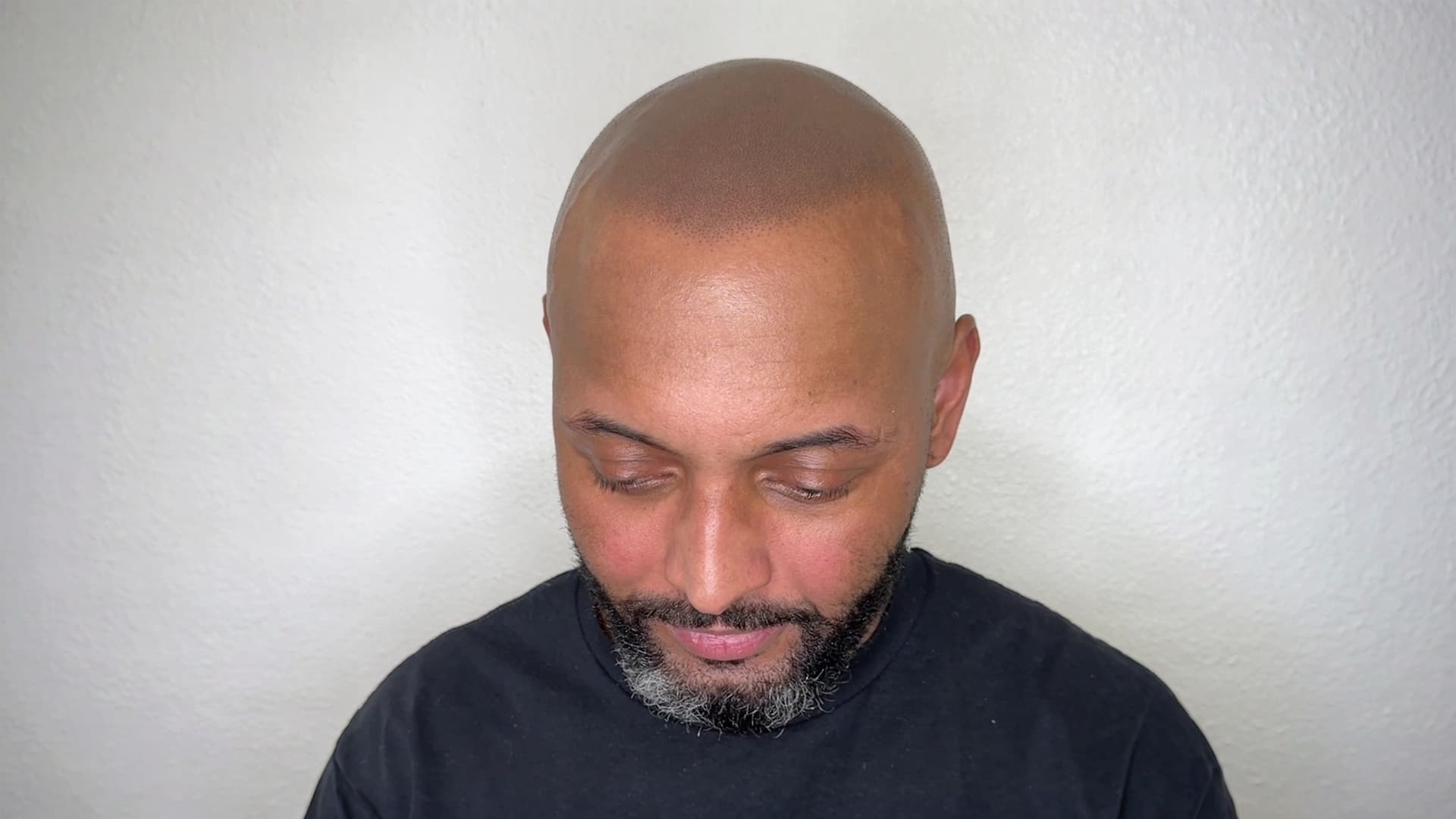
The edges of the market are wider. Beverly Hills Hair Restoration's page, updated in August 2026, quotes $500 to $3,500, while Jae Pak MD Medical, a Los Angeles clinic, said in March 2023 that most US cities sit at $3,000 to $5,000 and the best big-city clinics charge $7,000 to $10,000 for full coverage. Health insurance usually will not help: Cleveland Clinic describes SMP as an elective procedure.
| Source and date | Full treatment | What else it says |
|---|---|---|
| Cost Insight Hub (cost guide), May 2026 | $2,000 to $4,500 | Most pay about $3,000 |
| ThePricer (cost guide), Sep 2026 | $2,000 to $5,000 | Common band $2,500 to $4,000 |
| Charles Medical Group (surgical clinic), Apr 2026 | $2,000 to $5,000 | Average $3,000 to $3,150 |
| Beverly Hills Hair Restoration (clinic), Aug 2026 | $500 to $3,500 | Based on 2 to 3 sessions |
| Dida Hair Studio (New York studio), Jan 2024 | $1,800 to $5,500 | New York City only |
| Jae Pak MD Medical (Los Angeles clinic), Mar 2023 | $3,000 to $5,000 | Most US cities; top big-city clinics $7,000 to $10,000 |
To turn these ranges into an estimate for your own head, city and artist, use the SMP cost calculator.
If you are still working out whether SMP is right for you at all, start with the complete guide to scalp micropigmentation and come back here when you are ready to budget.
How SMP pricing works from the inside
When you strip the marketing away, most SMP pricing is a charge for the artist's hours plus the risk the job carries. The hours are long. Cleveland Clinic says most people need three or more treatments, spaced several weeks apart, and that each session can last up to five hours. A 2015 review in the Journal of Clinical and Aesthetic Dermatology describes sessions of up to eight hours involving more than 40,000 dots.
On top of the chair time sits the cost of running the room: rent, pigments, single-use needles, insurance, booking staff and, yes, marketing. Because I run an agency that does marketing for these businesses, I will say it plainly: getting a client to book costs money, and that cost is inside every quote. A studio in an expensive city with a full-time front desk has to charge more than a solo artist in a smaller town, even for identical work.
Why the first session costs the most
Most studios weight the price toward the first visit, because that is where the hairline is designed and the base layer goes down. Charles Medical Group's April 2026 guide says the first session is typically 40 to 55 percent of the total, the second 30 to 40 percent and the final refinement 20 to 30 percent. Dida Hair Studio's January 2024 New York guide gives a similar split of 45 to 50, 30 to 35 and 20 to 25 percent.
That split matters if you stop halfway. If you pay per session and walk away after one, you have paid for the hardest part of the work but not the layering that makes it look like real density.
"From" prices and package prices
Advertised "from" prices almost always describe the smallest job on the menu, usually a hairline or a small scar. They are there to get you to book a consultation, which is fair enough, but they are not your price. Packages, on the other hand, bundle all the sessions for one figure. Dida Hair Studio's guide says paying for a package upfront often brings 5 to 10 percent off, while paying per session usually totals the same as the package.
What drives your price up or down
Six things move an SMP quote more than anything else: how much scalp is covered, whether you are getting density work or a full shaved look, scars, whether the client is a woman with longer hair, the artist's experience and the city. Here is how each one shows up in the published numbers.
| Type of job | Published range | Source and date |
|---|---|---|
| Hairline only | $800 to $2,000 | Cost Insight Hub, May 2026 |
| Hairline or temples | $800 to $1,500 | ThePricer, Sep 2026 |
| Partial scalp or moderate loss | $1,500 to $3,000 | ThePricer, Sep 2026 |
| Density work | $2,000 to $3,600 | ThePricer, Sep 2026 |
| Full shaved look | $2,500 to $4,000 | ThePricer, Sep 2026 |
| Extensive or complex full scalp | $3,500 to $5,500 and up | ThePricer, Sep 2026 |
| Women's SMP | $1,500 to $3,500 | Cost Insight Hub, May 2026 |
| Scar camouflage | $500 to $1,500 | Cost Insight Hub, May 2026 |
How much scalp you need covered
The single biggest driver is area. Someone with an early receding hairline needs a fraction of the work of someone with a smooth crown and no hair on top. If you are not sure where you sit, the Norwood scale guide shows each stage of male pattern hair loss. Cost Insight Hub's guide, updated in May 2026, notes that a full Norwood 6 to 7 pattern needs far more time and pigment than small scar or part-line work, with full-scalp sessions taking 3 to 5 hours against 60 to 90 minutes for scar work.
If your hair loss is mostly at the front, the receding hairline guide covers what a front-only job looks like and why the design decisions there matter so much.
Density work versus a full shaved look
Density work means placing pigment between the hairs you still have, so the scalp shows through less. A full shaved look recreates the stubble of a buzz cut across the whole head. ThePricer's September 2026 guide gives $2,000 to $3,600 for density work and $2,500 to $4,000 for a shaved look. My view is that density work deserves its price even when the area is smaller, because every dot has to sit naturally next to real hair.
Scars
Scar tissue takes pigment differently from normal skin, so it needs testing and often extra passes. Cost Insight Hub's May 2026 guide gives $500 to $1,500 for scar work, depending on size, texture and location. ThePricer's September 2026 guide gives about $600 to $2,000 for small to moderate scars and more than $3,000 for broad blending across a transplant donor area. The SMP for scars guide goes into which scars respond well.
Women's SMP
Women usually keep their hair long, so the work is density added under existing hair rather than a shaved look. Cost Insight Hub's May 2026 guide puts women's SMP at $1,500 to $3,500, and Charles Medical Group's April 2026 guide notes that female SMP is often priced higher than male SMP because it needs softer gradients and specialist technique. More on that in the guide to SMP for women.
The artist's experience
You are paying for judgment as much as for time: where to put a hairline that will still suit you at 60, which shade of pigment will stay neutral, how deep to go. Dida Hair Studio's January 2024 New York guide says master-level practitioners charge 20 to 40 percent above standard rates. I think that premium is often money well spent, but only when the healed portfolio proves it.
Your city
Rent and wages follow the city, and so does SMP. Here is how Cost Insight Hub's May 2026 guide breaks down average full-treatment prices by metro area.
| City | Typical range | High end |
|---|---|---|
| New York City | $3,500 to $5,500 | $7,000 and up |
| Los Angeles | $3,000 to $5,000 | $6,500 and up |
| Seattle | $3,000 to $4,800 | $6,000 and up |
| Chicago | $2,800 to $4,500 | $5,500 and up |
| Dallas | $2,500 to $4,000 | $5,000 and up |
| Miami | $2,500 to $4,000 | $5,200 and up |
| Orlando | $2,200 to $3,600 | $4,500 and up |
| Atlanta | $2,000 to $3,500 | $4,500 and up |
How many sessions your price should cover
A complete SMP treatment is never one appointment. Cleveland Clinic says most people need three or more. The 2015 journal review recommends multiple sessions, often two to four. Dida Hair Studio's New York guide lists three to four sessions for a full scalp, and Beverly Hills Hair Restoration's August 2026 page bases its pricing on two to three.
The trap is a quote that only covers part of that. ThePricer's September 2026 guide warns that some quotes cover only the first appointment, and gives the example of $900 per session across four sessions coming to $3,600. A per-session price that looks cheaper than a package can end up costing more once you count every visit.
What a complete SMP quote should spell out
- The total price for the whole treatment, not just the first visit.
- How many sessions that total includes, and roughly how long each one is.
- What happens, and what it costs, if you need one more session than planned.
- Whether a touch-up is included, and within what time window.
- The deposit amount and whether it is refundable if you cancel or reschedule.
- Who will actually do the work: the named artist or someone else at the studio.
Touch-ups: the cost that comes later
SMP is long-lasting, not frozen in time. Cleveland Clinic says it usually keeps its appearance for four years or longer. The ISHRS says well-placed SMP lasts 5 to 10 years, that UV light fades it faster, and that some patients choose a yearly touch-up to keep it looking fresh. The guide to how long SMP lasts covers what speeds up fading.
Touch-up prices depend on how much needs refreshing. Cost Insight Hub's May 2026 guide gives $300 to $800 per session. Charles Medical Group's April 2026 guide gives $200 to $1,000 per session, needed every 3 to 6 years. Dida Hair Studio's January 2024 New York guide lists $400 to $1,200 every 4 to 6 years, plus $30 to $80 a year for aftercare products.
What you can do to stretch the gap between touch-ups is mostly about the sun and your skin care, which the touch-ups guide and the aftercare guide cover in detail.
SMP vs a hair transplant, hair systems and medication: the published prices
People rarely price SMP on its own. They put it next to a transplant, a hair system or medication. These are not like-for-like: Cleveland Clinic is clear that SMP is not a hair loss treatment and does not grow hair, a transplant moves living follicles, a hair system covers the scalp with real or synthetic hair, and medication aims to slow loss. Many people combine them. Still, the money question is fair, so here are the published numbers.
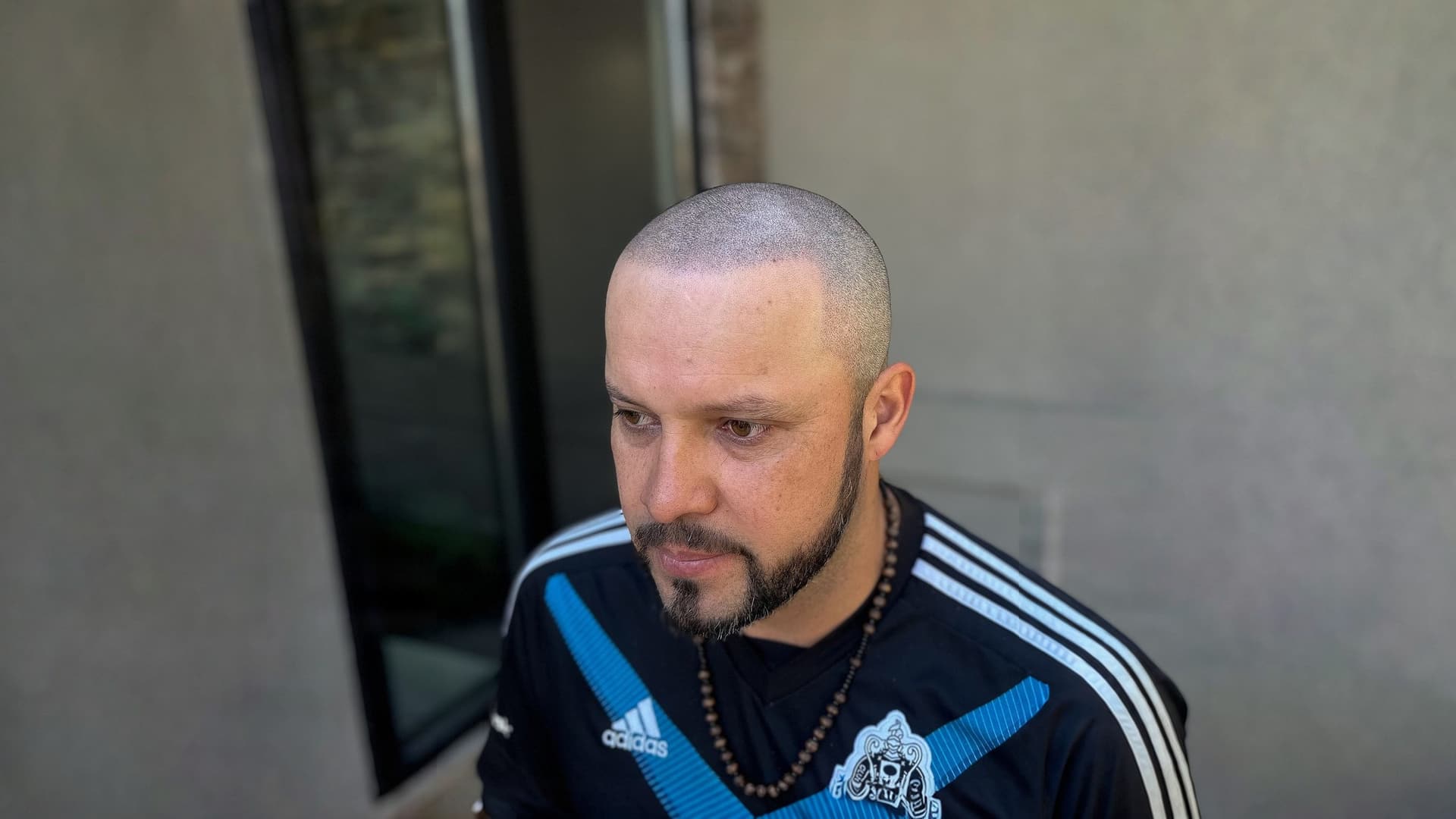
Hair transplant
CareCredit's cost page, updated in July 2026, puts the US national range for a hair transplant at $3,919 to $10,640, with averages of $5,675 for FUT (strip) and $6,344 for FUE. It names California as the most expensive state and Arkansas the cheapest. HairClub's own industry illustration, on an undated page accessed in November 2026, gives $4,000 to $15,000 and up. Both figures are for a procedure, and a later procedure if loss continues is a new fee. The SMP vs hair transplant guide compares the results, not just the price.
Hair systems
HairClub's illustration, accessed in November 2026, puts a custom hair system at $800 to $2,000 or more, and the yearly cost of a system with monthly maintenance appointments at $2,000 to $5,000. The page notes that these figures illustrate the industry, not its own prices.
Medication
Finasteride and oral minoxidil are prescription drugs, so the choice starts with a doctor, not a price list. On cost alone, Medfinder's price guide, updated in September 2026, says generic finasteride can cost about $9 a month with a savings card, and $15 to $47 a month at retail cash prices. Medfinder's September 2026 minoxidil page lists oral minoxidil at $10 to $50 for a 30-day supply at retail. Doctor visits and any online consultation fees are extra.
Paying for SMP: payment plans, financing and tax
Most studios give you three ways to pay: the full package upfront, session by session, or through a finance product. Paying per session spreads the cost over the weeks between visits without any borrowing, and Dida Hair Studio's New York guide says the total is usually the same as the package price. Upfront packages sometimes come with a small discount.
Medical credit cards and deferred interest
Some clinic price pages mention medical credit cards with 0 percent promotional periods. Read these terms carefully. A May 2023 report from the Consumer Financial Protection Bureau found that many medical credit cards use deferred interest: if any balance remains when the promotion ends, you are charged all the interest back to the purchase date.
The same report found people paid $1 billion in deferred interest on healthcare charges from 2018 to 2020. Between 2015 and 2020, people incurred interest on 20 percent of healthcare purchases made on deferred interest cards or loans, rising to about 34 percent for people with credit scores below 619. The typical medical credit card APR was 26.99 percent, against a mean of about 16 percent for general credit cards at the time.
Before you sign any SMP financing agreement
- Ask whether the 0 percent offer is deferred interest or true 0 percent, and get the answer in writing.
- Divide the balance by the number of promotional months and set that as your monthly payment, so the balance is cleared before the deadline.
- Find out the APR that applies after the promotion ends.
- Ask whether paying in cash or by session gets a lower total than financing.
- Check whether the deposit counts toward the financed amount or sits outside it.
Insurance, HSA and FSA
Insurance usually does not cover SMP, as Cleveland Clinic notes. Do not count on tax-advantaged accounts either. IRS Publication 502 says cosmetic surgery is generally not a medical expense, and lists hair transplants among cosmetic procedures, with an exception for a deformity from a congenital abnormality, an injury or a disfiguring disease. One clinic guide suggests HSA or FSA funds may be usable in some cases; if your SMP is scar camouflage after an accident or surgery, ask your plan administrator and a tax professional before you pay.
What a too-cheap quote usually means
A low price is not automatically a bad sign. Cost Insight Hub's May 2026 guide says basic coverage in smaller markets can start around $1,500, and newer artists sometimes price low while they build a portfolio. The question is not whether a quote is cheap, it is what the cheapness is made of.
What I check when a quote looks too low
- Does the price cover every session, or only the first one?
- Is the person quoting the person who will do the work, or is a trainee doing it?
- Can they show healed results, photographed months later, not fresh work on the day?
- Is any touch-up included, and for how long?
- Is there a proper consultation and design session, or does the quote come by text from one photo?
- Is the studio licensed for tattooing or body art where it operates?
The reason I take this seriously is the cost of getting it wrong. The 2015 journal review describes pigment spreading beyond where it was placed, which may need Q-switched laser treatment before re-treatment, and it links many problems to inexperienced practitioners, noting there is no formal training program. The ISHRS says there is no international licensing body for SMP practitioners, and that partial laser removal is discouraged because the cleared area will not match the rest. Cleveland Clinic adds that most risks come from unlicensed or inexperienced practitioners.
If you already have work you are unhappy with, the guide to botched SMP explains the repair options, and the regrets guide covers what people wish they had known first.
What is and is not usually included in the price
Clinic price pages describe a fairly consistent core package. Beverly Hills Hair Restoration's August 2026 page lists the consultation and scalp evaluation, hairline and density planning, pigment shade selection, the treatment sessions, professional pigments and equipment, and aftercare instructions with follow-up support. Dida Hair Studio's New York guide adds sterile single-use needles, numbing agents and progress photos.
| Usually included | Often extra or not mentioned |
|---|---|
| Consultation and scalp assessment | Touch-ups after the included window |
| Hairline design and shade matching | Extra sessions beyond the plan |
| All planned treatment sessions | Aftercare products |
| Pigments, needles and equipment | Laser removal of old or poor SMP |
| Aftercare instructions and follow-up | Travel and time off work |
The column on the right is where budgets go wrong. Removing someone else's work before new SMP can go on is a separate job, often with a separate provider. If you are traveling to a city with a famous artist, the flights and hotel nights across three or four sessions spaced weeks apart can add up to a real share of the treatment price.
How to compare SMP quotes side by side
Two quotes are only comparable once you translate them into the same terms. I tell people to ask every studio for the same information in writing, then lay it out next to each other before deciding anything.
My SMP quote comparison checklist
- Write down the total price for the full treatment, including every planned session.
- Note the number of sessions and divide the total by it, so you can see the real price per visit.
- Add the price of one future touch-up, so you compare a five-year cost, not just today's.
- Record who will do the work, and look at that artist's healed results, not the studio's best photos.
- Note the deposit, its refund terms and the cancellation policy.
- Check what happens if the result needs more work than planned: free, discounted or full price.
- If you are financing, write down the total you will pay including any interest, not the monthly figure.
- Only then, compare. The cheapest line on that sheet is not always the cheapest choice.
For the questions about skill and style that sit alongside price, the guide to choosing an SMP artist goes deeper, and the before and after guide shows how to read portfolio photos properly.
Questions to ask about price at your consultation
A good studio will answer every one of these without fuss. If a question about money makes someone defensive, that tells you something on its own.
Price questions I would ask before booking
- What is the total for my whole treatment, and how many sessions does that cover?
- How long is each session, and how far apart will they be?
- If I need an extra session, what does it cost?
- What touch-up is included, and what will a touch-up cost after that?
- Who does the work on the day, and can I see their healed results?
- What is the deposit, and when would I lose it?
- Do you charge less if I pay upfront or per session than if I finance?
- If I have old SMP or scars, does that change the price, and will I need removal first?
When paying more makes sense
Paying above the typical range can make sense when the job is hard: a full Norwood 7 with scars, a woman with long fine hair, or a correction of someone else's work. These are the cases where an experienced artist's judgment shows most in the healed result. For an early receding hairline on healthy skin, a well-reviewed artist charging a typical price with a strong healed portfolio is often all you need.
When to walk away
Walk away from any quote that will not put the total in writing, pushes you to pay a deposit on the day, or cannot show healed work. Walk away too if the studio cannot say who will hold the needle. SMP is visible on your head every day for years, and the money you save on a rushed decision is small next to the cost of fixing it. When you are ready for the full picture, from consultation to healing, the complete SMP guide walks through every step.